

Currents of Exchange Across a Shifting World
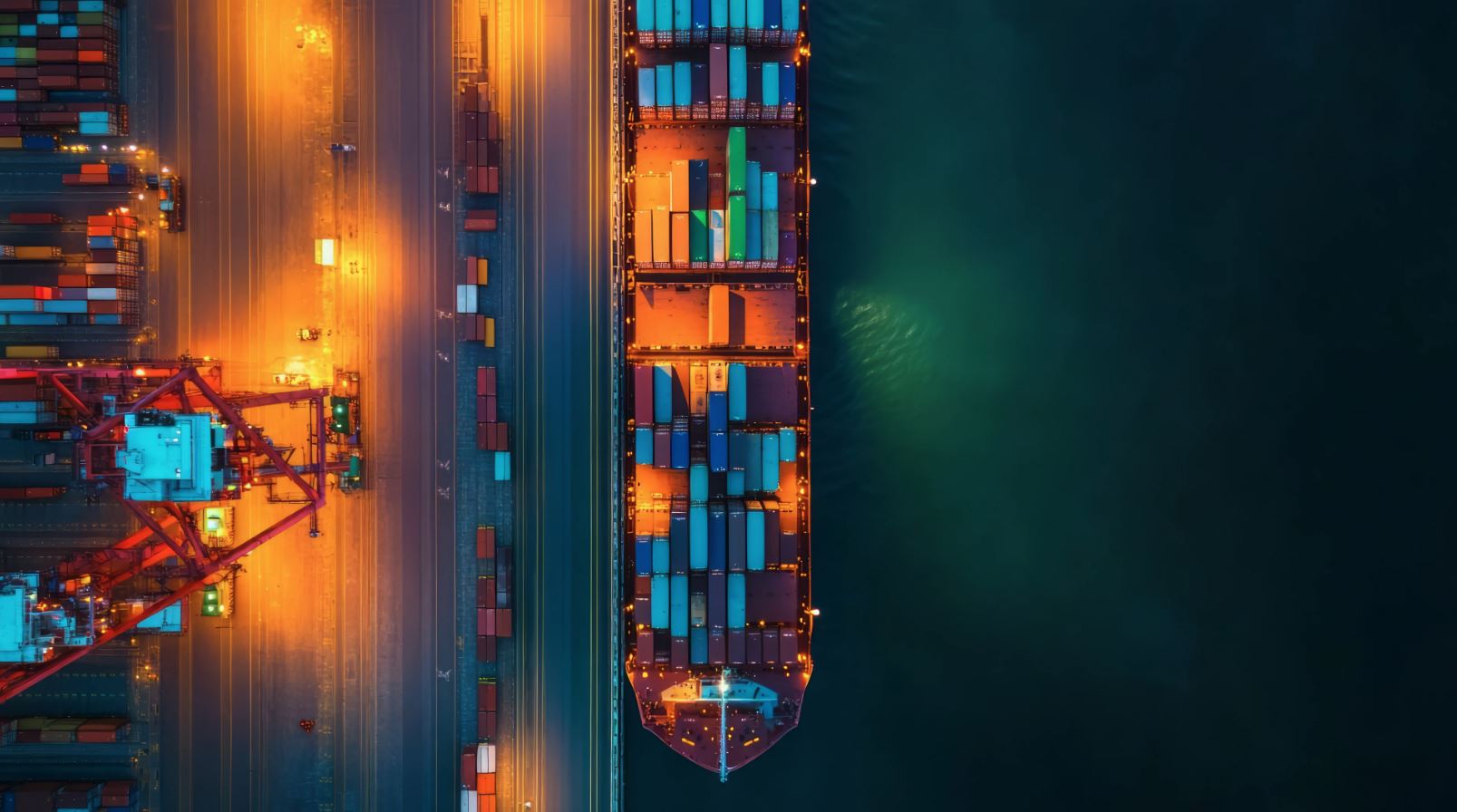
Flow of Trade Reflects the Rhythm of Global Ambition
The Pulse of Commerce in a Connected Era
Trade has long served as humanity’s shared rhythm, an intricate dance of supply and desire that spans oceans, borders, and cultures. The history of civilization itself is inseparable from the exchange of goods and ideas. What began as barter between riverbanks evolved into vast systems of currency, logistics, and digital communication. Every movement of cargo, every contract signed across continents, every coded data packet exchanged between markets carries within it the legacy of exploration and enterprise. Today’s global marketplace reflects centuries of innovation and ambition condensed into a few seconds of digital decision-making. The magnitude of this evolution is difficult to grasp. Centuries ago, merchants waited weeks for ships to arrive with silk or spices. Now algorithms execute trades in microseconds, guided not by wind but by lines of code. Yet the human desire that drives it remains unchanged: to connect, to share, to profit, and to progress. The pulse of commerce beats within every nation, linking them in an unending network of opportunity and risk. As economies intertwine more tightly, the need for foresight and cooperation becomes paramount. The future of global prosperity depends on the choices made today in boardrooms, ports, and policy chambers, where this pulse is measured, monitored, and redefined every day.
The Digital Transformation of Market Frontiers
The digital revolution has redrawn the boundaries of trade, expanding markets once confined by geography into limitless virtual landscapes. The emergence of e-commerce, cloud logistics, and automated fulfillment centers has transformed supply chains into self-learning ecosystems. Artificial intelligence forecasts consumer behavior with uncanny accuracy, while predictive analytics directs cargo before the buyer even confirms intent. The speed of these interactions challenges traditional definitions of commerce. A small producer in Morocco can reach buyers in Finland through a simple web interface, while an artist in Mexico can sell to collectors in Singapore without a physical intermediary. This democratization of trade empowers smaller actors, but it also raises the stakes of competition. Digital marketplaces reward visibility and adaptability. Businesses unable to pivot rapidly risk vanishing beneath the waves of innovation. Technology has made access easier, but sustainability harder. The winners of this new era are those who combine technological fluency with ethical awareness, recognizing that progress without fairness leads only to imbalance. The digital transformation of trade is not merely about faster exchanges. It represents a cultural shift in how humanity perceives value, ownership, and cooperation. As algorithms and automation expand, so must human understanding, ensuring that digital frontiers remain inclusive and transparent for all participants.
The Geopolitical Theater of Supply and Demand
Global commerce unfolds upon a stage where economic ambition meets political influence. Every trade route, from the Arctic corridors to the Indian Ocean passages, carries both opportunity and vulnerability. Nations depend on each other in a paradox of rivalry and reliance. Oil shipments, semiconductor components, and rare earth minerals often travel through regions fraught with tension, and the slightest disruption reverberates through markets worldwide. Trade is diplomacy disguised as logistics, and logistics disguised as diplomacy. Port construction, maritime agreements, and bilateral treaties act as instruments of soft power. Infrastructure investments can secure alliances as effectively as military pacts. The recent rise of protectionist sentiment in certain regions has reminded the world that trade can never be purely economic. It reflects the priorities and insecurities of its participants. Even in the digital sphere, nations compete for technological dominance and data sovereignty. Control over information has become as valuable as control over territory. The challenge ahead lies in maintaining open channels of exchange while safeguarding national interests. True geopolitical stability depends on shared prosperity, not isolation. The success of modern trade will rest on how nations balance strategic autonomy with global interdependence, recognizing that prosperity for one is ultimately sustained by prosperity for all.
Resilience in the Wake of Disruption
Resilience has become the defining virtue of twenty-first-century commerce. Supply chains that once prioritized speed and efficiency have been forced to reckon with vulnerability. Global crises have revealed how a single bottleneck can ripple across continents, halting production and straining livelihoods. The pandemic was a turning point that exposed overreliance on just-in-time logistics. Companies responded by diversifying suppliers, localizing production, and investing in digital tracking systems that offer real-time transparency. These measures extend beyond mere contingency. They represent a philosophical shift toward balance. Businesses now consider resilience as a strategic asset equal to profitability. Governments mirror this approach through regional trade agreements that encourage redundancy and resource sharing. As automation and data monitoring advance, resilience also becomes predictive. Machine learning identifies potential disruptions before they occur, allowing businesses to reroute shipments or adjust inventory preemptively. Yet resilience is not purely technical. It demands cultural readiness and cooperative trust. Without trust, even the most advanced systems collapse under stress. The future of commerce depends not on invulnerability but on adaptability. To endure in a volatile world, global trade must embrace uncertainty as a permanent condition, turning flexibility into its greatest source of strength.
The Environmental Reckoning of Exchange
For generations, the engines of commerce consumed the planet’s resources without restraint. Today, that era of unchecked extraction is nearing its end. The environmental consequences of trade are no longer invisible. Oceans filled with container ships emit millions of tons of carbon annually. Air freight accelerates pollution. Even packaging contributes to mounting waste. Consumers, activists, and forward-thinking corporations now demand change. Sustainability has moved from moral aspiration to economic necessity. Green logistics solutions, such as hydrogen-fueled vessels and electric trucks, are being tested across major trade routes. Circular production models seek to minimize waste by recycling materials within the supply loop. Carbon offset programs, though imperfect, have become standard practice for companies seeking accountability. Governments enforce environmental standards that tie compliance to market access. As these initiatives mature, a new metric of trade emerges, one that measures success not only in profit but in planetary stewardship. The goal is not to halt exchange but to harmonize it with ecological renewal. The future of commerce will belong to those who recognize that the environment is not an external cost but an essential stakeholder. Sustainable trade is more than a trend. It is the new foundation for credibility and endurance in a rapidly warming world.
The Human Element Behind the Numbers
Behind every financial chart and container manifest lies a vast human story. Economists can track trade flows with precision, but they cannot quantify the aspirations and sacrifices that power them. The port worker braving rough seas, the engineer maintaining automated cranes, the small business owner negotiating currency fluctuations, all represent the unseen energy of global commerce. The expansion of trade has lifted millions from poverty, yet it has also displaced communities and widened disparities. Balancing efficiency with fairness remains the central ethical challenge of globalization. Education and upskilling have become vital as automation reshapes employment. The next generation must understand not only the mechanics of trade but also its moral weight. Transparency in labor practices, respect for cultural diversity, and equitable profit-sharing are not optional luxuries. They are prerequisites for sustainable prosperity. The human dimension of commerce gives meaning to metrics and context to profits. When trade serves humanity rather than the reverse, it achieves its highest potential. The power of connection lies not in transactions but in the relationships they create, fostering mutual respect and shared purpose across borders and languages.
Technology as the Compass of the Next Frontier
Technology now acts as the true navigator of commerce, guiding decisions through oceans of data. Artificial intelligence interprets global patterns that human analysts could never process alone. Quantum computing, still in its infancy, holds the potential to compress complex logistical models into near-instant calculations. Autonomous vessels test the waters of efficiency while smart sensors monitor cargo integrity from origin to destination. In parallel, data becomes a new form of currency. Nations race to secure digital infrastructure with the same urgency once reserved for oil fields. The blending of physical and digital trade, often called phygital commerce, creates hybrid models where logistics and information merge. Yet every advance brings ethical and security dilemmas. Cyberattacks targeting trade networks can disrupt economies in seconds. Privacy concerns surround the flow of transactional data. Innovation must therefore be balanced by governance. Technology should guide trade, not dominate it. The compass of progress must be held by collective hands, ensuring that no single entity steers the global course for its own advantage. The success of the next frontier will depend on cooperation between technologists, policymakers, and citizens to design systems that empower rather than exclude, and that amplify trust rather than diminish it.
The Future Horizon of Shared Prosperity
At the edge of every trade route lies an unseen horizon where potential and uncertainty meet. The narrative of global commerce is not a linear tale of profit but a dynamic story of reinvention. Every decade rewrites its priorities, yet one truth endures: the exchange of goods and ideas remains humanity’s most powerful unifying force. The task ahead is to channel that power toward equity and renewal. Emerging economies seek inclusion, developed nations seek balance, and all seek stability. The challenge is not to eliminate competition but to elevate cooperation. Shared prosperity will emerge when innovation aligns with fairness, when sustainability aligns with growth, and when policy aligns with ethics. Trade is the art of interdependence, a reminder that no nation stands alone in the modern world. The winds that once carried ships across oceans now flow through digital networks, connecting people through fiber and code instead of sails and rope. Yet the essence remains the same: exploration, curiosity, and exchange. As the twenty-first century unfolds, the legacy of global commerce will be measured not by the wealth it accumulates but by the harmony it achieves. If guided wisely, the currents of exchange will lead humanity toward a future where progress and compassion share the same horizon.