

The Harbors That Keep the World in Motion
The Complex Art of Managing the Global Gateways of Trade
The Lifelines of Maritime Commerce
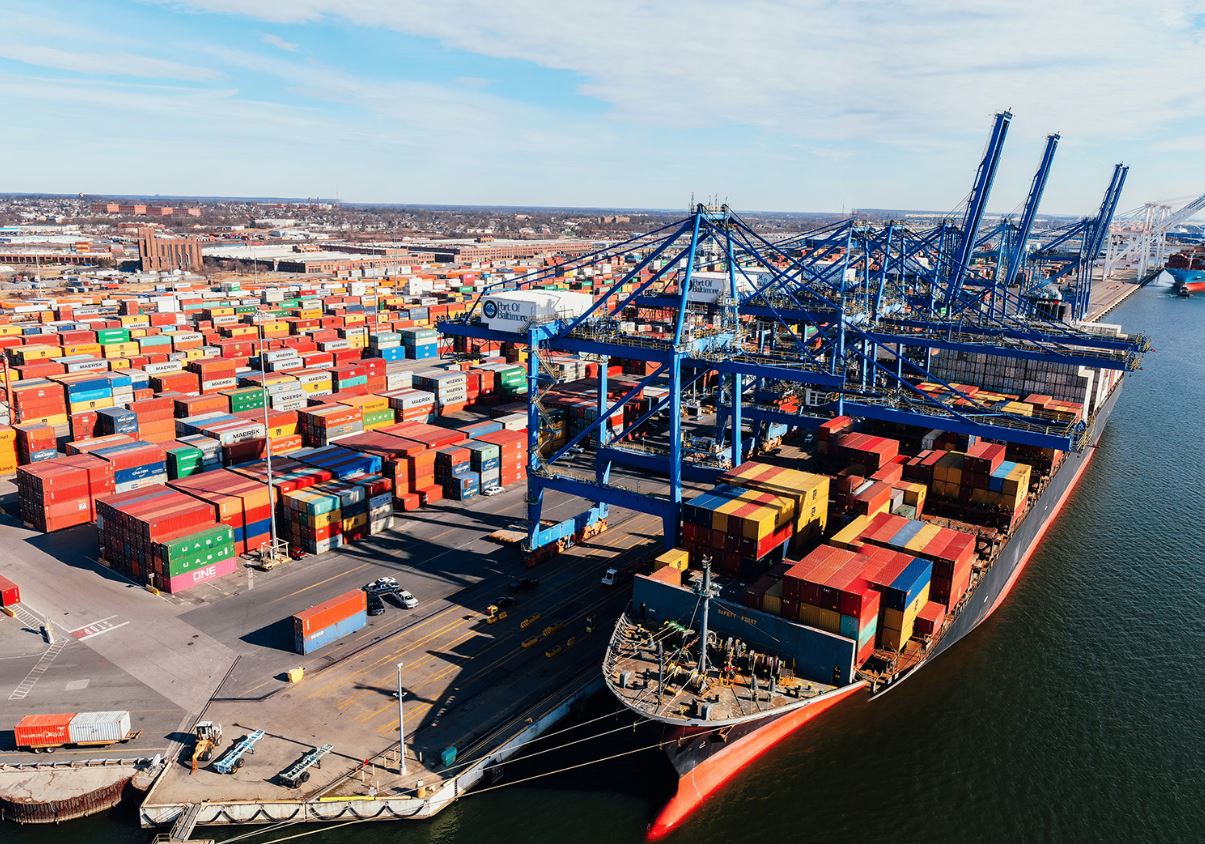
Every major coastline tells a story written in steel, salt, and movement. Ports are the living junctions of the global economy, the meeting points where nations exchange not only goods but ideas and opportunities. They form the backbone of trade, handling more than eighty percent of the world’s cargo by volume. Without ports, the machinery of globalization would grind to a halt. Managing these vast ecosystems requires precision and foresight. A modern port is a city within a city, complete with infrastructure, logistics, technology, and governance. Its success depends on synchronizing thousands of variables, from weather patterns and ship schedules to security protocols and labor shifts. Port management stands at the intersection of engineering, economics, and diplomacy. It shapes how efficiently goods move, how competitively industries grow, and how sustainably the seas are preserved. Each decision ripples across continents, making ports not just physical locations but the pulse points of civilization itself.
The Evolution from Dockyards to Digital Gateways
Centuries ago, ports were simple harbors lined with wooden docks, where sailors unloaded cargo by hand and merchants haggled over prices under the open sky. Over time, as global trade expanded, ports evolved into industrial hubs. The invention of the container revolutionized maritime logistics, turning disorganized cargo handling into a symphony of efficiency. Containers allowed goods to move seamlessly from ships to trucks and trains, giving rise to the intermodal networks that define today’s supply chains. Now, the industry is undergoing another transformation. Digitalization is reshaping port management through automation, artificial intelligence, and data analytics. Smart sensors track cargo in real time, predictive algorithms optimize berth allocation, and blockchain ensures transparent customs documentation. A digital port functions as both a logistics center and an information hub, integrating physical and virtual operations. The shift from dockyard to data-driven network reflects a broader truth: that ports are no longer just about moving goods, but about managing intelligence.
The Architecture of Efficiency and Design
Behind every successful port lies an intricate architecture designed for flow and flexibility. The layout of terminals, storage yards, and transportation links determines how smoothly goods move from vessel to destination. Engineers and planners study currents, tides, and terrain to design harbors that balance accessibility with safety. Deep-water channels accommodate the world’s largest container ships, while dredging operations maintain navigable depth. Infrastructure planning also involves environmental consideration, ensuring that development coexists with marine ecosystems. Efficiency in port management depends on coordination among diverse stakeholders, including shipping lines, freight forwarders, customs agencies, and local authorities. Each component must operate with precision to prevent congestion, delays, and losses. Even seconds matter. A vessel delayed in one port can disrupt supply chains halfway across the planet. The architecture of a port, therefore, extends beyond its concrete and cranes, it is a living system of design, discipline, and adaptability that mirrors the movement of global commerce itself.
The Human Element in a Mechanized System
Amid the automation and steel, ports remain profoundly human spaces. Behind the machinery and algorithms are people who keep operations running, harbor pilots guiding vessels through narrow channels, dockworkers securing containers, and managers coordinating logistics across time zones. Their expertise turns technology into action. Training, safety, and morale play central roles in maintaining efficiency. A single miscommunication or oversight can have cascading consequences, from cargo damage to security breaches. As automation increases, the human role evolves rather than disappears. Workers must now master digital tools, interpret data, and make strategic decisions that machines cannot. Port management has become as much about cultivating talent as about acquiring technology. Leadership that values communication, adaptability, and innovation is vital. The balance between human skill and technological power defines the resilience of any port. The human element ensures that, even in a world of automation, intuition and judgment continue to steer the global flow of trade.
The Governance and Economics of Global Ports
Port management operates within a complex web of ownership, policy, and economic influence. Some ports are state-owned and operated as public utilities, while others function as private enterprises or hybrid partnerships. Governance models vary widely, shaping the efficiency and transparency of operations. Economic considerations drive every decision, from tariff structures and concession agreements to investment in infrastructure. Ports compete fiercely for trade routes and shipping alliances, often serving as economic anchors for entire regions. The revenue they generate extends beyond fees and taxes; they attract industries, create employment, and stimulate urban development. Financial sustainability requires balancing immediate profits with long-term investment in modernization. Geopolitical factors further complicate this landscape. Strategic ports along critical chokepoints such as the Suez Canal or the Strait of Malacca hold immense influence over global supply lines. The economics of port management thus intertwine with international policy, where control of maritime gateways can translate into leverage over global trade itself.
Sustainability and Environmental Responsibility
The maritime industry faces a growing imperative to reduce its environmental footprint, and ports sit at the center of that transformation. As gateways between land and sea, they bear responsibility for managing pollution, emissions, and marine biodiversity. Green port initiatives aim to minimize environmental impact through renewable energy, electric cranes, and waste management systems. Shore power allows ships to plug into the grid rather than burn fuel while docked, significantly cutting emissions. Smart water treatment technologies prevent oil and chemical runoff, preserving coastal ecosystems. Sustainability also extends to planning. Ports must adapt to rising sea levels, extreme weather, and changing trade patterns caused by climate change. Environmental performance has become a measure of competitiveness. Investors, regulators, and consumers now view sustainability as a benchmark of integrity. A port that harmonizes commerce with conservation demonstrates leadership not just in logistics, but in global stewardship. The future of port management depends on aligning profitability with responsibility, proving that trade and sustainability can thrive together.
The Technological Revolution in Maritime Logistics
Technology is redefining every layer of port operations. Automation has replaced manual labor in container handling, where robotic cranes and autonomous vehicles move goods with unmatched precision. Artificial intelligence enhances decision-making by predicting traffic patterns and optimizing resource allocation. Drones monitor ship arrivals, while digital twins, virtual replicas of port environments, allow managers to simulate scenarios and test improvements. Blockchain technology ensures secure and transparent trade documentation, reducing fraud and administrative delays. The Internet of Things connects every device in the network, turning ports into intelligent ecosystems that can self-correct and learn. Yet, innovation brings new challenges. Cybersecurity has emerged as a critical concern, as attacks on digital infrastructure can paralyze entire supply chains. To safeguard operations, ports must invest in robust defense systems and international data cooperation. The technological revolution is not merely an upgrade of tools; it represents a paradigm shift in how ports think and function. The most successful harbors of tomorrow will be those that combine intelligence, resilience, and connectivity into a seamless system of global mobility.
The Role of Ports in Regional and Global Connectivity
Ports serve as more than transit points; they are catalysts of development and symbols of national identity. Their location often determines the economic trajectory of entire regions. A well-managed port attracts investment, stimulates manufacturing, and strengthens international partnerships. It connects hinterlands to global markets and transforms cities into trade corridors. Regional integration initiatives, such as cross-border rail and highway networks, expand the influence of ports far inland, creating economic clusters that link multiple countries. Globally, major ports form strategic alliances to share expertise and synchronize operations, fostering a networked economy that transcends geography. These connections build resilience against disruptions and create opportunities for shared growth. In a world increasingly shaped by interdependence, ports stand as both infrastructure and metaphor, a testament to humanity’s capacity to connect, cooperate, and evolve. The management of these gateways, therefore, defines not just economic performance but the architecture of modern civilization itself.
The Future Horizon of Global Port Management
The next chapter in port management will be written at the intersection of innovation, sustainability, and inclusivity. As maritime traffic grows and environmental concerns deepen, ports must transform into intelligent, adaptive systems capable of learning and evolving. Artificial intelligence will predict cargo flows, while digital infrastructure will ensure seamless collaboration among stakeholders. Smart contracts will automate transactions, and green energy will power operations. Yet the true challenge lies not in technology alone, but in vision. The future port must serve as a model of balance, combining efficiency with ethics, and progress with preservation. It will embody the principles of transparency, equity, and shared prosperity. The ports that thrive in the decades ahead will be those that embrace change without losing their human compass. As the tides of commerce continue to rise, the harbors that keep the world in motion will remain our most enduring symbols of connection, reminding us that trade, when guided with wisdom, is both an art and a responsibility.