

Tides That Shape the Wealth of Nations
The Economic Pulse of Oceans and the Future of Maritime Prosperity
The Sea as the Original Marketplace
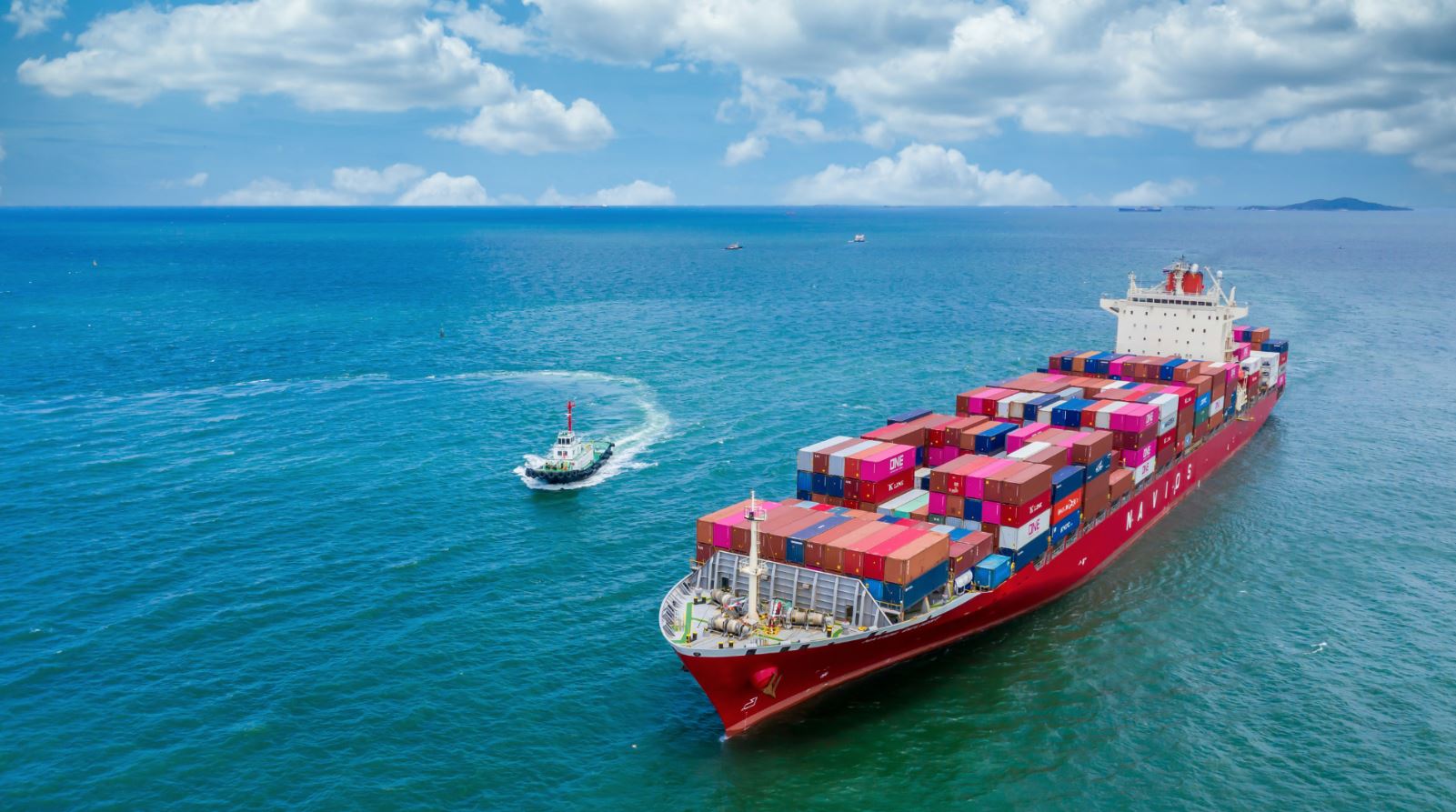
Long before trade agreements and digital ledgers, the ocean served as the first marketplace. Maritime exchange predates currency and diplomacy, built upon wind, courage, and the hunger for connection. Ancient sailors carried not only goods but also languages, faiths, and ideas that rewrote entire civilizations. Every major empire, from Phoenicia to Portugal, grew upon the foundation of maritime enterprise. The sea provided a fluid medium through which ambition could move, unbounded by deserts or mountains. Its routes became the arteries of economic life. Even today, ninety percent of the world’s trade continues to flow by sea, carried by vessels that mirror the constellations of history. The relevance of maritime economics lies not only in statistics but in its power to reveal how the ocean remains humanity’s most essential resource. Modern commerce may depend on satellites and networks, but it still rests on the same saltwater pathways that once connected ancient ports. The global economy’s pulse is measured by tides and currents, where every wave tells the story of cooperation, risk, and discovery.
From Sail to Steel and Beyond
The evolution of maritime economics follows the transformation of technology. Wooden hulls gave way to steel, sails to engines, and compasses to satellites. Each innovation redefined efficiency, cost, and capacity. The industrial revolution turned maritime trade into a science, standardizing measurements, optimizing cargo distribution, and reducing travel time. The container ship, introduced in the mid-twentieth century, revolutionized trade more profoundly than any invention since the steam engine. Standardized boxes allowed goods to move seamlessly from factory to port to consumer, reducing costs and erasing inefficiencies. As automation continues to shape ports and vessels, a new era begins. Autonomous ships, driven by artificial intelligence, are already testing global routes. Digital twins simulate port logistics before vessels arrive, preventing congestion and minimizing waste. Yet progress carries its paradox. Greater efficiency demands greater vigilance against cyber threats, environmental degradation, and labor displacement. The path from sail to steel is a story of innovation, but also of balance. Maritime economics thrives where technology and humanity meet, not where one eclipses the other.
The Invisible Network Beneath Global Trade
Maritime economics is often invisible to the casual observer. Few people consider how a pair of shoes or a bag of coffee reaches their hands. Yet behind every consumer product lies a chain of ships, terminals, and regulatory systems that form one of the most complex human creations on Earth. Ports act as nodes of exchange where nations meet, negotiate, and compete. Freight forwarders coordinate thousands of documents for every journey. Insurance companies calculate risk based on weather data, piracy zones, and political shifts. The shipping industry employs millions of workers whose collective effort sustains modern life. This invisible network connects not only economies but entire cultures. It supports energy markets, food supply, and manufacturing cycles. A disruption in one port can trigger economic tremors across continents. When a single ship blocked the Suez Canal, billions of dollars in trade halted within hours. The invisible becomes visible only when it stops functioning. Maritime economics teaches that stability is not guaranteed, but engineered through constant adaptation, investment, and collaboration among nations that share the same waters yet compete for dominance within them.
The Geopolitical Weight of Maritime Routes
Every maritime route carries not only cargo but also strategy. Oceans are both highways and borders, offering mobility while dividing territories. The global economy depends on chokepoints such as the Strait of Malacca, the Panama Canal, and the Suez Canal. These narrow passages determine the cost and speed of trade, and their control often defines regional power. Maritime economics cannot be separated from geopolitics because sea routes mirror political tension and alliance. When nations invest in port infrastructure abroad, they extend influence through commerce. The rise of new shipping corridors, such as the Arctic route, adds fresh layers of competition as melting ice reveals untapped pathways. Naval presence protects trade but also signals authority, blending defense and economics into a single continuum. Energy transport, especially oil and gas, adds further complexity. Tanker routes become the veins of industrial civilization, vulnerable to conflict yet indispensable for stability. The geopolitics of maritime trade remind the world that the sea is a shared resource with contested boundaries. Its economic significance depends not on ownership but on stewardship, requiring diplomacy that matches ambition with restraint.
Ports as Engines of Prosperity
Ports are more than concrete harbors. They are living ecosystems where technology, labor, and policy converge. A port’s efficiency determines a nation’s competitiveness. The rise of megaports in Asia, the Middle East, and Europe reflects a race to handle larger vessels and faster turnaround times. Automation plays a growing role, with cranes operated remotely and algorithms optimizing space utilization. Modern ports no longer serve only as transit points. They have evolved into economic hubs with industrial zones, logistics centers, and energy terminals. Each container unloaded fuels employment, innovation, and urban development. The integration of green energy infrastructure, such as shore power and renewable charging stations, transforms ports into sustainability laboratories. However, not all regions benefit equally. Developing nations often face challenges in modernizing outdated facilities, leading to trade imbalances. Investment in port infrastructure has become a diplomatic tool, linking economic development with international cooperation. The port stands as a microcosm of maritime economics itself, where efficiency, equity, and environment intersect. Its cranes may lift containers, but symbolically, they lift the potential of nations seeking a place in the global tide.
The Economics of Maritime Labor and Skill
Behind every cargo movement stands the human workforce that keeps maritime trade alive. Sailors, dockworkers, engineers, and administrators form the foundation of this global mechanism. The economics of maritime labor encompass wages, working conditions, and education. As automation reshapes the industry, the role of human expertise shifts toward management, technology, and crisis response. Seafarers endure long months at sea, facing isolation and environmental extremes while ensuring the continuous flow of goods that sustain economies. Fair compensation, mental health support, and safety standards have become central to policy debates. Training academies now emphasize digital navigation, cybersecurity, and sustainability alongside traditional seamanship. Labor unions and international organizations advocate for equitable treatment across jurisdictions, seeking to harmonize labor laws that differ widely between nations. The value of maritime skill cannot be replaced by automation. Machines may handle precision, but judgment and resilience remain human attributes. The economic strength of maritime labor lies in adaptability. As the industry evolves, the workforce must evolve with it, ensuring that progress uplifts rather than excludes those who have built their lives upon the sea.
The Environmental Costs and Commitments of the Blue Economy
Economic growth from the sea comes with environmental responsibility. The maritime sector contributes significantly to greenhouse emissions, noise pollution, and habitat disruption. Yet it also holds the potential to lead the transition toward sustainability. The concept of the blue economy integrates profit with protection, encouraging industries to operate within ecological limits. Cleaner fuels, energy-efficient vessels, and waste management initiatives are transforming operations. Marine conservation efforts, supported by international agreements, aim to preserve biodiversity while maintaining trade flow. The rise of carbon pricing for shipping incentivizes innovation in propulsion and design. Coastal communities depend on the balance between development and preservation, as overexploitation threatens fisheries and livelihoods. Maritime economics must therefore incorporate environmental accounting into every decision. The health of oceans determines the longevity of commerce. Investment in sustainable technologies is no longer optional but essential for survival. As public awareness grows, companies that align with environmental ethics gain both reputation and resilience. The blue economy reframes maritime prosperity as a partnership between humanity and nature, where long-term wealth arises from stewardship rather than extraction.
Innovation and Finance in a Fluid Economy
The maritime industry’s financial architecture mirrors its physical complexity. Shipbuilding, insurance, and freight finance rely on global capital flows that move as fluidly as the cargo they support. Investment funds now treat shipping as a dynamic asset class, influenced by demand cycles, geopolitical risk, and environmental compliance. Innovations in financing mechanisms, such as green bonds and digital smart contracts, are redefining how ships are built and operated. Leasing models reduce barriers for smaller companies to enter international trade. Fintech solutions allow transparent documentation, improving trust across borders. Meanwhile, predictive analytics guide investors by analyzing port traffic, weather, and commodity trends in real time. The liquidity of maritime finance ensures flexibility but also introduces volatility. Fluctuating freight rates can shift fortunes overnight. The challenge for policymakers is to stabilize this environment without stifling innovation. Maritime economics thrives on balance: liquidity without fragility, competition without exploitation. As financial institutions embrace sustainability metrics, the industry inches closer to a model where profitability aligns with responsibility, creating a more resilient and equitable system of global exchange.
The Horizon of Oceanic Prosperity
The sea remains humanity’s most enduring frontier of opportunity. Its surface conceals resources, routes, and revelations that continue to shape civilization. The future of maritime economics will depend on how societies harness this potential responsibly. The integration of artificial intelligence, renewable energy, and cooperative governance will define the next era of maritime prosperity. Emerging nations will gain influence as they develop coastal infrastructure, while established powers will adapt through diversification and innovation. The challenges of climate change, automation, and resource competition will test collective resilience. Yet within these challenges lies promise. The sea has always rewarded those who respect its rhythm. As trade evolves, maritime economics will continue to anchor global stability, weaving the fabric of collaboration through wind and water. The tides that shape the wealth of nations remind us that progress flows not from domination but from connection. The horizon ahead is vast and uncertain, but for those who navigate with vision and integrity, it remains endlessly open.