

Threads That Hold the World Together
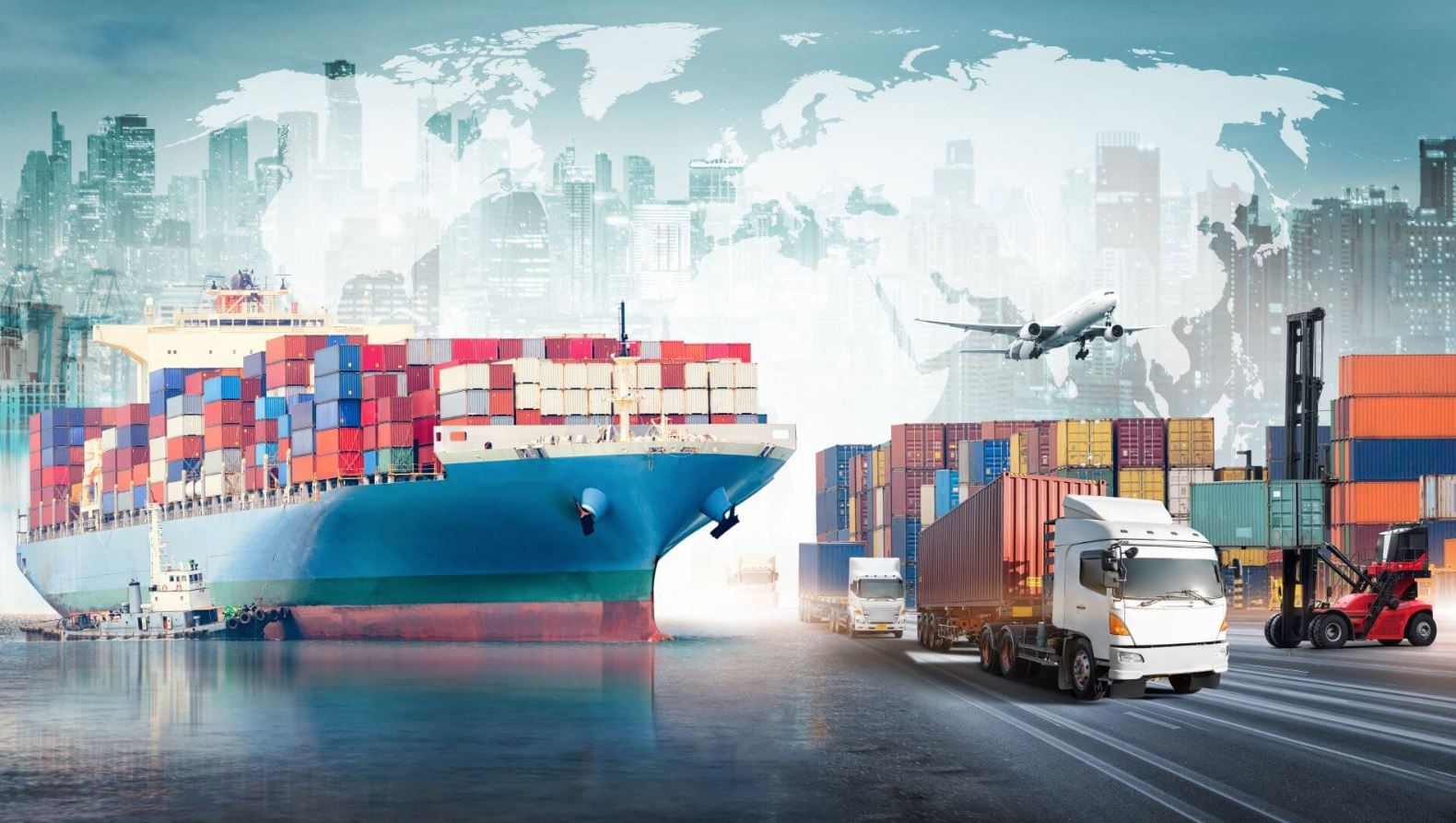
The Hidden Fabric of Production and Distribution That Sustains Modern Life
The Invisible Architecture of Everyday Existence
Every object that surrounds us, from the smallest screw to the most intricate electronic device, owes its presence to a vast and interdependent system of production known as the global supply chain. This system operates as an unseen framework connecting manufacturers, transporters, and retailers across continents. It is a web so intricate that a single smartphone can involve hundreds of suppliers spread across multiple time zones. These supply chains are not simply mechanical pathways of movement. They are living organisms influenced by climate, politics, and consumer behavior. Each decision to ship, assemble, or source reflects both economic strategy and social consequence. In this quiet choreography of trade, the unseen replaces the visible. What we buy and use carries within it the fingerprints of miners, engineers, and designers who may never meet. The global supply chain serves as the bloodstream of the world economy, circulating materials and ideas through routes that are constantly being rewritten by innovation, disruption, and necessity. Understanding its flow means understanding how civilization sustains itself every single day.
Origins of a Connected World
The roots of supply chains extend deep into human history. Early trade routes like the Silk Road and maritime passages between the Mediterranean and Asia formed the first networks of exchange. These systems were driven by human curiosity and the pursuit of value, long before the term logistics existed. Over centuries, industrialization amplified these connections. Steamships, telegraphs, and railways compressed time and space, allowing goods to move faster and more predictably. By the twentieth century, assembly lines transformed manufacturing, creating specialized production hubs that depended on synchronized delivery of raw materials. The postwar era brought a new wave of globalization fueled by containerization and standardized shipping methods. These advancements reduced costs and unified international trade procedures. The twenty-first century introduced yet another revolution, as digital communication and automation turned supply chains into data-driven ecosystems. Each advancement carried both empowerment and dependency. The more the world connected, the more it relied on coordination. The evolution from isolated trade to fully integrated global supply networks marks one of humanity’s most profound achievements, a living proof of our capacity to build systems that extend far beyond borders.
The Mechanics of Movement and Coordination
The journey of a product through the supply chain is a story of precision and timing. It begins with raw materials extracted from mines, farms, or refineries, which are then sent to factories for transformation. Components are assembled in facilities strategically located near ports or transport hubs to minimize delays. Once manufactured, finished goods travel by ship, rail, truck, or air until they reach distribution centers and finally the hands of consumers. Each stage involves thousands of decisions guided by data analytics and predictive modeling. Inventory levels, fuel prices, and political conditions influence how supply routes are managed. Multinational corporations rely on enterprise systems that integrate procurement, logistics, and sales into a single digital platform. This digital orchestration enables visibility and control across thousands of suppliers and distributors. Yet, the complexity of coordination means that the system’s efficiency is both its strength and its weakness. A single disruption, whether a factory shutdown or a customs backlog, can ripple across the network, demonstrating how delicate this intricate machinery truly is. The mechanics of supply chains combine art and science, requiring a balance of technology, experience, and intuition to keep the flow of commerce uninterrupted.
The Fragility of Interdependence
The pandemic of the early twenty-first century revealed just how fragile global supply chains can be. When factories closed and shipping slowed, entire industries ground to a halt. The shortage of semiconductors, for instance, halted automobile production worldwide. Essential goods like medical equipment faced distribution crises as transportation networks collapsed under pressure. The experience exposed the vulnerability of systems built for efficiency rather than resilience. Just-in-time manufacturing, once considered the pinnacle of productivity, became a liability when global synchronization failed. Companies and governments began reassessing their dependence on distant suppliers. Concepts such as nearshoring, reshoring, and regional diversification gained prominence as organizations sought to reduce risk. This shift reflects a growing understanding that globalization must coexist with flexibility. True strength lies in redundancy and adaptability, not just cost reduction. The fragility of interdependence teaches that economic interconnection is both a blessing and a burden. When managed wisely, it enables prosperity across continents. When neglected, it reveals how easily modern life can unravel when the invisible threads that connect it begin to fray.
Technology and the Rise of Intelligent Supply Chains
Technology now acts as the nervous system of global supply chains, transforming how they are monitored, managed, and optimized. Artificial intelligence predicts demand fluctuations by analyzing consumer data and environmental factors. Blockchain provides transparency by recording every step of a product’s journey, ensuring authenticity and accountability. The Internet of Things equips containers, trucks, and warehouses with sensors that transmit real-time updates about location and condition. These innovations turn supply chains into responsive systems that can adapt instantly to changing circumstances. Automation in warehouses and ports reduces human error and increases throughput. Cloud computing connects disparate systems, allowing multinational teams to collaborate seamlessly. Yet the rise of intelligent logistics also raises questions about data privacy, cyber vulnerability, and inequality between technologically advanced and emerging economies. The future of supply chains depends on bridging these gaps while continuing to embrace innovation. Technology offers tools, but wisdom determines their use. The intelligent supply chain of tomorrow must not only move faster but think ethically, combining efficiency with accountability in a world where transparency is now as valuable as speed.
The Human Dimension of Global Flow
Amid the algorithms and automation, people remain the heartbeat of supply chains. Truck drivers, port workers, engineers, and logistics managers sustain the system through skill and perseverance. Every efficient delivery hides countless acts of coordination carried out by individuals who solve problems in real time. The human element introduces empathy, adaptability, and creativity, qualities machines cannot replicate. However, the expansion of automation threatens to reshape the workforce. Roles that once relied on manual labor are being replaced by digital oversight. This shift creates both opportunity and anxiety. New generations of professionals must now master data analytics, global regulations, and sustainability practices alongside traditional logistics expertise. Education and training will determine how equitably the benefits of innovation are distributed. Recognizing the human element also means acknowledging ethical responsibility. Fair wages, safe working conditions, and cultural respect form the moral foundation of trade. The global supply chain’s success depends as much on human dignity as it does on computational accuracy. The future of commerce will belong to those who see people not as variables but as partners in an evolving global enterprise.
Environmental Accountability and the Search for Balance
Global supply chains are both engines of growth and sources of environmental strain. The movement of goods consumes vast quantities of fuel, producing emissions that contribute to climate change. Manufacturing generates waste and pollution that threaten ecosystems. In response, the concept of sustainable logistics has gained momentum. Companies are investing in cleaner technologies, renewable energy, and smarter packaging solutions. Electric vehicles, biofuel-powered ships, and rail freight corridors reduce carbon footprints while maintaining productivity. Recycling programs extend product lifecycles, while digital platforms minimize paper waste. Environmental accountability has become not only a moral imperative but a market expectation. Consumers increasingly demand transparency about sourcing and sustainability. Governments reinforce this shift through regulations and carbon pricing mechanisms. Achieving environmental balance requires cooperation among industries, policymakers, and consumers alike. The goal is to harmonize growth with preservation, ensuring that the machinery of global trade does not erode the very planet that supports it. A green supply chain is more than a marketing goal. It is a blueprint for survival in a century where ecological stewardship defines economic legitimacy.
The Geopolitics of Connectivity and Competition
Global supply chains function within the larger theater of international relations. Trade routes mirror alliances, and infrastructure investments often serve political goals as much as commercial ones. Nations vie for influence through control of ports, resources, and data corridors. Initiatives such as transcontinental rail systems and maritime expansion projects reflect this interplay between economics and strategy. The globalization of production has blurred the boundaries between domestic and foreign policy. Economic sanctions, tariffs, and export controls can reshape supply networks overnight. Countries that depend heavily on imported goods face strategic vulnerabilities, while those that serve as manufacturing hubs gain leverage. The competition for technological dominance, particularly in areas like semiconductor manufacturing and rare earth minerals, underscores the geopolitical nature of supply chains. Yet cooperation remains essential. No nation can remain isolated in a system built on interconnection. Diplomacy and trade must evolve together, fostering frameworks that balance sovereignty with collaboration. The future of global supply chains will be written not only in contracts and ledgers but also in treaties and dialogues that determine how nations choose to share the wealth of production and innovation.
The Path Forward in a Connected Century
The story of global supply chains is one of constant reinvention. What began as simple exchanges has grown into a planetary network of movement, data, and ambition. The next chapter will depend on how effectively humanity integrates technology, resilience, and ethics into this structure. The challenges of climate change, geopolitical tension, and digital transformation demand cooperation that transcends borders. The supply chain of the future must be transparent, adaptable, and inclusive, reflecting the complexity of the world it serves. Every shipment, every trade agreement, and every innovation becomes part of a greater narrative of interdependence. The ultimate goal is not to create perfect efficiency but enduring balance, a system where prosperity aligns with responsibility. As the world faces uncertainty, the threads that hold it together will continue to weave new patterns of collaboration. Global supply chains are not merely about goods in motion. They are about humanity’s capacity to organize itself across oceans and cultures, proving that connection, when guided by foresight and empathy, remains the most powerful engine of progress the world has ever known.