

Where Technology Meets the Tides of Commerce
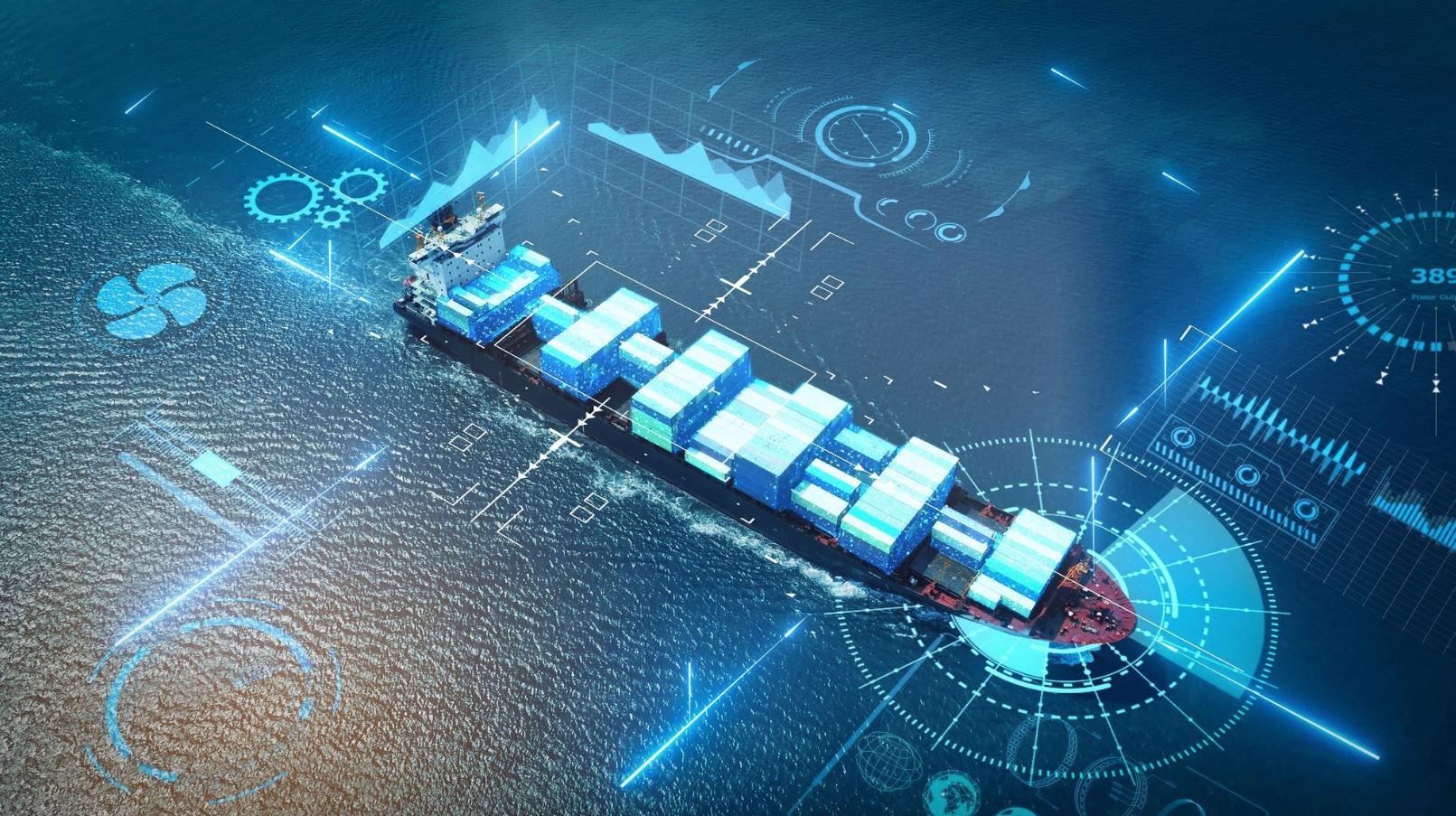
Innovation at Sea Is Redrawing the Boundaries of Global Trade
The Legacy That Built the Modern Maritime World
The story of modern shipping begins with centuries of exploration and invention that transformed the oceans from barriers into bridges. Early navigators sailed with uncertainty, guided only by stars and instinct, yet their journeys laid the foundation for an industry that would shape the global economy. Over time, wooden hulls became steel giants, sails gave way to engines, and maps turned into satellite projections. Each leap in maritime technology reflected not only the pursuit of efficiency but also humanity’s relationship with the sea. The shipping industry evolved into the invisible circulatory system of commerce, moving raw materials, food, and manufactured goods that sustain every nation. Its progress, however, did not pause with containerization or automation. The twenty-first century has brought a new revolution, one defined by digitalization, sustainability, and intelligent systems. This evolution represents more than mechanical advancement. It is a shift in philosophy, redefining how humanity connects across the waters that have always both separated and united the world.
Engineering a New Generation of Vessels
Modern ship design embodies the perfect balance between efficiency, durability, and environmental consciousness. Traditional models prioritized capacity and strength, but the latest generation of vessels integrates aerodynamic hulls, lighter composite materials, and hybrid propulsion systems that minimize energy waste. Engineers employ computational simulations to test performance under countless conditions before construction even begins. This digital twin technology allows for real-time refinement and ensures that every vessel meets precise standards of stability and fuel optimization. Advanced coatings reduce drag by mimicking the texture of shark skin, while modular construction methods shorten build times and allow easier retrofitting for new systems. Electric and hydrogen-powered prototypes are now in development, representing a tangible step toward decarbonizing maritime transport. Innovation has turned shipyards into laboratories of science, where every component, from the propeller blade to the bridge console, is reimagined for resilience and sustainability. The ships of today are not just machines. They are smart entities, learning and adapting through continuous data feedback to navigate the challenges of a complex and connected world.
The Digital Bridge Between Ports and Oceans
The heart of shipping innovation lies not only in the vessels themselves but also in the communication networks that bind them. Digital connectivity has transformed the maritime industry into an intelligent ecosystem. Satellite-linked monitoring systems transmit every movement, enabling ports and logistics operators to coordinate with precision. Artificial intelligence analyzes traffic flow, predicting bottlenecks and suggesting optimal routes that save time and fuel. Blockchain platforms secure documentation, reducing the bureaucratic friction that once delayed cargo at harbors. Smart ports equipped with automated cranes, self-driving vehicles, and digital twins manage complex operations with remarkable efficiency. The integration of Internet of Things sensors across fleets ensures that every container’s temperature, location, and condition can be tracked in real time. This new infrastructure extends far beyond logistics. It creates transparency and trust in an industry often criticized for opacity. The digital bridge between ports and oceans is the nervous system of a global economy that depends on information as much as it does on physical movement. It is the unseen structure that keeps trade flowing smoothly through the uncertainty of tides and time.
The Pursuit of Sustainability on the High Seas
As global awareness of environmental responsibility grows, the maritime industry stands at a pivotal crossroads. For decades, ships were major contributors to carbon emissions, yet they also represented the most efficient form of mass transportation. The new era of innovation seeks to reconcile efficiency with responsibility. Green shipping initiatives focus on alternative fuels such as ammonia, methanol, and liquefied natural gas, reducing the industry’s carbon footprint. Renewable energy technologies, including wind-assisted propulsion and solar integration, are being revived and modernized. Engine designs incorporate exhaust treatment systems that capture pollutants before they enter the atmosphere. Ship recycling practices now emphasize material recovery and worker safety. The drive toward sustainability extends beyond engineering. It involves policy, collaboration, and education. International regulations, like the IMO’s decarbonization targets, set the course, but the commitment of private enterprises and research institutions provides the propulsion. The maritime world recognizes that environmental innovation is not optional. It is the only route toward ensuring that trade and ecology coexist in balance across the planet’s blue highways.
Automation and the Era of Autonomous Shipping
Automation represents one of the most groundbreaking transformations in maritime history. Ships once dependent on large crews now operate with sophisticated navigation and control systems capable of independent operation. Autonomous vessels, equipped with radar, lidar, and artificial intelligence, navigate without human intervention, using real-time data to avoid obstacles and optimize speed. Crewless ships promise reduced operational costs, fewer accidents, and continuous efficiency. However, they also raise questions of cybersecurity, safety, and regulation. The integration of automation requires international consensus on maritime laws and insurance frameworks. Hybrid systems, where human oversight remains crucial for decision-making, provide a transitional model. Ports and logistics hubs are adapting accordingly, building smart control centers that monitor fleets across global routes. Autonomous shipping is not a replacement for human expertise but an evolution of it. Seafarers of the future will transition from manual labor to data management, system analysis, and emergency control. The horizon of automation represents a collaboration between human ingenuity and digital intelligence, redefining what it means to navigate the seas.
The Financial and Economic Impact of Maritime Innovation
Every leap in maritime technology reshapes global economics. The efficiency gained through innovation directly influences the price and speed of goods, determining competitiveness across entire industries. Automated ports reduce handling costs, while predictive maintenance lowers downtime and repair expenses. Financial institutions now use blockchain-based smart contracts to manage freight payments securely, eliminating disputes and delays. The insurance sector benefits from real-time vessel tracking, improving risk assessment accuracy. For developing economies, modern shipping infrastructure opens pathways to integration with global supply chains. Coastal nations investing in innovation attract trade partnerships and strengthen their strategic position in world commerce. The economic ripple extends beyond the docks, creating employment in engineering, data analysis, and renewable energy. Shipping innovation is not an isolated industry trend. It is a macroeconomic force that redefines productivity and interdependence. In this context, investment in maritime technology becomes not just a business decision but a cornerstone of global development policy. The ocean remains the stage, but innovation has rewritten the entire performance of trade.
The Cultural Shift Within the Maritime Workforce
Behind every technological revolution stands a transformation in human perspective. The shipping industry, once defined by manual endurance, is now guided by digital literacy and adaptability. Seafarers, engineers, and port operators must acquire new skills to manage automated systems and interpret data analytics. Training academies emphasize multidisciplinary knowledge, combining traditional seamanship with robotics, cybersecurity, and environmental science. This cultural shift is reshaping identity within maritime communities. The romance of the sea persists, but it now intertwines with a fascination for technology. Collaboration replaces hierarchy, and innovation thrives on shared expertise rather than rigid routine. Mental health and welfare programs have also gained attention, addressing the challenges of isolation and automation-driven change. The workforce of tomorrow must embody resilience and curiosity. In blending heritage with modernity, maritime culture finds renewal. The industry’s strength has always been its people, and innovation now depends as much on their imagination as it does on the machinery they command.
The Global Cooperation Driving Progress
Innovation in shipping transcends borders because the oceans themselves belong to no one and to everyone. Collaboration between nations, corporations, and research institutions fuels the industry’s transformation. International conventions establish environmental and safety benchmarks, while cross-sector alliances foster technological development. Universities contribute through experimentation, and startups inject agility into traditional frameworks. Joint ventures between shipbuilders and technology firms accelerate breakthroughs in propulsion and automation. Governments provide incentives for sustainable investment, creating ecosystems that encourage experimentation. This spirit of cooperation defines modern maritime progress. Innovation cannot flourish in isolation, for every voyage crosses multiple jurisdictions and cultures. The strength of shipping’s future lies in unity of purpose. When technology, policy, and human vision converge, the sea becomes a canvas for collective creativity. The collaboration driving progress ensures that innovation serves not just efficiency, but equity, transforming the ocean into a shared frontier of prosperity and stewardship.
The Horizon of Maritime Reinvention
The journey of shipping innovation is far from complete. The horizon ahead promises technologies that will blur the lines between imagination and reality. Quantum communication, renewable propulsion, and fully digital supply chains will continue to redefine what is possible. The ultimate goal is a maritime ecosystem that is self-sustaining, transparent, and inclusive. Every innovation, from design to delivery, will aim to harmonize economic ambition with planetary care. The ocean, once a symbol of mystery, now becomes a symbol of possibility. The reinvention of shipping is not simply an industrial evolution but a reflection of humanity’s enduring desire to connect. As waves carry vessels across the globe, they also carry the story of progress, a reminder that innovation, like the sea itself, is endless in depth and infinite in horizon.