

Papers That Move the World
Unraveling the Hidden Framework of Documents, Declarations, and Regulations That Power Global Import Systems
The Silent Backbone of International Trade
Behind every container ship crossing the ocean lies an invisible network of paperwork that makes the journey possible. Import documentation, though rarely discussed in the spotlight of global commerce, serves as the silent backbone of the world’s trading system. Each shipment depends on a web of certificates, declarations, and legal confirmations that ensure compliance with domestic and international regulations. Without these records, ports would stand still, goods would remain unclaimed, and economies would stall. The modern importer must navigate an intricate landscape of requirements that differ across jurisdictions, balancing accuracy with timeliness. From the moment a purchase order is signed to the instant cargo clears customs, documents define the rhythm of movement. They verify authenticity, calculate duty obligations, and trace origin. Far from being bureaucratic obstacles, import documents are instruments of trust, connecting traders, governments, and financial institutions in a framework that sustains global exchange. Their precision reflects not only logistical efficiency but also the integrity of the international economy itself.
The Historical Evolution of Trade Paperwork
The origins of import documentation can be traced to the earliest systems of organized commerce. Ancient merchants recorded transactions on clay tablets, detailing quantities, destinations, and ownership. As maritime trade expanded through the Mediterranean and Indian Ocean, port authorities developed seals and manifests to prevent fraud and verify taxation. The Renaissance introduced bills of lading as formal receipts of cargo, while colonial empires institutionalized customs declarations to regulate the flow of goods and wealth. By the nineteenth century, industrialization and international law gave birth to standardized procedures that remain influential today. The twentieth century added further layers of complexity as globalization intensified. New technologies and treaties multiplied the forms required for safety, health, and environmental protection. The evolution of trade paperwork reflects a broader human pursuit: to impose order on exchange. While the medium has changed from parchment to pixels, the function remains constant. Every document represents a thread in the centuries-long effort to manage trust in the movement of goods across borders, binding nations through paper as much as through commerce.
The Core Documents That Define an Import
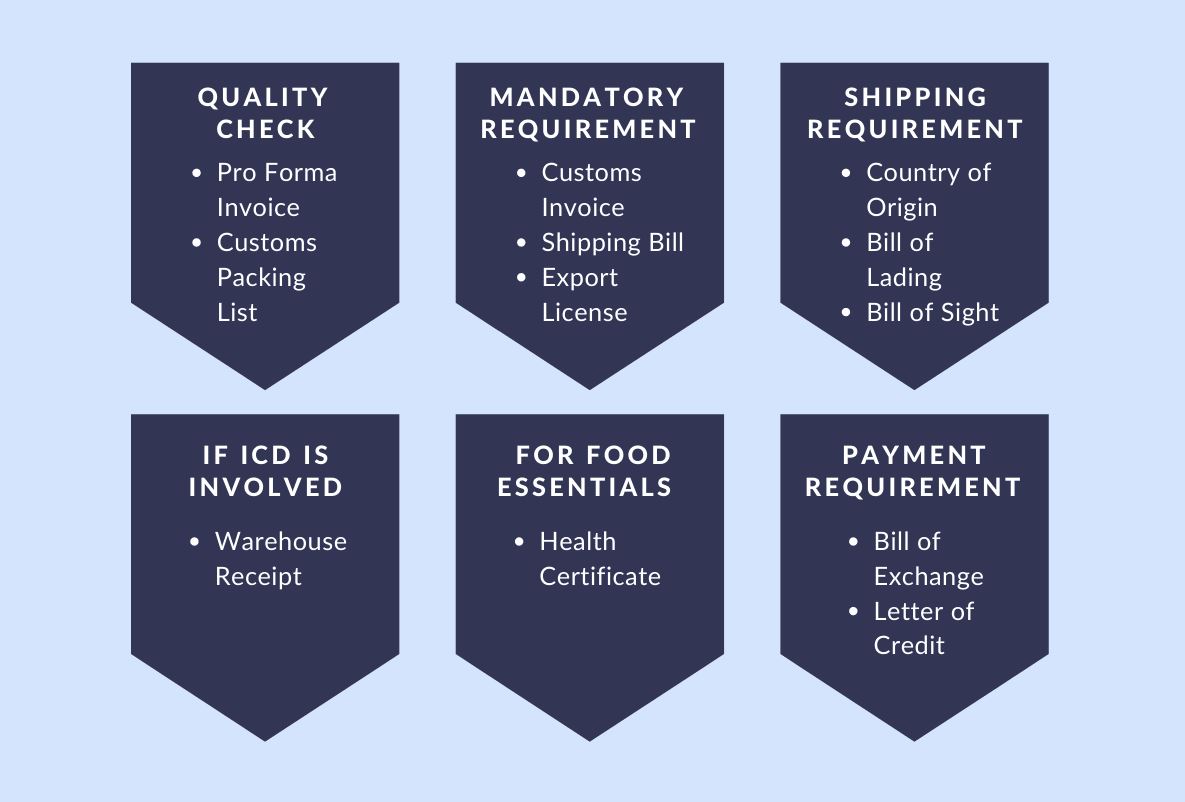
Every successful import transaction depends on a precise collection of essential documents. The commercial invoice stands at the center, detailing the value, description, and terms of sale. The bill of lading serves as both a contract of carriage and proof of ownership, issued by the shipping line upon loading. A packing list provides the blueprint of what lies inside each crate or container, guiding inspectors and warehouse operators. The certificate of origin verifies where goods were manufactured, determining tariff rates and eligibility for trade agreements. Import licenses, when required, authorize the entry of controlled goods, ensuring compliance with national security and health standards. Insurance certificates protect the financial interests of all parties against loss or damage. Together, these documents create a system of accountability. Each form communicates with the next, forming an ecosystem of verification. Their combined presence transforms a shipment from a mere collection of items into a legally recognized transaction that can move through the ports of the world without obstruction. Precision in documentation is therefore not just administrative, it is existential to trade itself.
The Role of Digital Transformation in Documentation
The digital age has revolutionized how import documentation is created, shared, and authenticated. Paper forms once passed through multiple hands, accumulating stamps and signatures at every checkpoint. Now, electronic data interchange and blockchain platforms allow for instant communication between stakeholders across continents. Digital certificates reduce processing time and prevent forgery through encryption and traceability. Customs authorities increasingly rely on automated risk assessment systems that analyze electronic documents to flag anomalies or inconsistencies. Artificial intelligence identifies potential discrepancies before they disrupt supply chains. For importers, these systems bring both efficiency and responsibility. The speed of digital trade demands accuracy at the source, as errors propagate instantly through networks. While the transition from paper to digital reduces cost and waste, it also redefines accountability. Import documentation in the digital era must balance accessibility with security, ensuring that transparency does not compromise privacy. The transformation of trade paperwork into data reflects a broader shift in commerce itself, where information moves faster than the goods it represents, reshaping the tempo of global logistics.
The Legal and Ethical Dimensions of Compliance
Import documentation exists not only to facilitate trade but also to enforce law. Each record embodies a legal declaration of truth. False statements, omissions, or misrepresentations can trigger severe penalties, including fines, seizure of goods, or criminal charges. The importer bears the ultimate responsibility for ensuring that every document meets the standards of accuracy and completeness required by both domestic authorities and international regulations. Ethics and compliance are inseparable from efficiency. Transparency in documentation prevents smuggling, counterfeit trade, and the evasion of duties. Modern compliance frameworks, such as the World Customs Organization’s SAFE standards, emphasize the need for integrity throughout the supply chain. Importers must also consider the social dimensions of their documentation practices. Declarations of origin now include sustainability certifications, labor compliance statements, and environmental impact disclosures. The convergence of law and ethics transforms import documentation into an instrument of corporate responsibility. By embedding moral accountability into legal procedure, the system ensures that global commerce operates not just efficiently but justly, aligning economic ambition with ethical conduct.
The Intersection of Finance and Documentation
Import documentation is the language through which banks and traders communicate trust. Financial institutions rely on verified paperwork to release payments, issue letters of credit, and secure loans. The letter of credit itself is a cornerstone of international finance, ensuring that exporters are paid only when importers fulfill their documentation obligations. Every clause in this document aligns with other trade records, from shipping receipts to inspection certificates. Errors in these details can delay payment or jeopardize entire transactions. The relationship between documentation and finance reveals a symbiotic dynamic: accurate paperwork underpins liquidity, while financial discipline reinforces compliance. Digital trade finance platforms are now automating document verification using smart contracts that execute payments when conditions are met. This fusion of technology and finance reduces human error and accelerates global cash flow. Yet, the fundamental principle remains unchanged. Trust in trade is built through evidence, and that evidence lives in documents. The intersection of finance and paperwork demonstrates that the flow of money depends as much on clarity as on capital, binding markets through precision and proof.
Challenges and Risks in Global Documentation Systems
Despite decades of progress, import documentation remains a complex and sometimes fragile system. Discrepancies in language, regulation, and technology create inconsistencies that can lead to costly delays. A missing signature, incorrect tariff code, or expired certificate can halt shipments worth millions. Small and medium-sized enterprises, lacking specialized compliance departments, are particularly vulnerable to these risks. Corruption and document fraud persist in certain jurisdictions, undermining the integrity of global systems. The proliferation of new trade agreements further complicates requirements, as each introduces unique forms and verification standards. The tension between national sovereignty and global harmonization remains unresolved. Moreover, digitalization, while improving speed, introduces cyber vulnerabilities. Hackers targeting customs systems can manipulate or steal sensitive trade data. The future of import documentation depends on resolving these contradictions. Collaboration between governments, international organizations, and private sectors is essential to establish interoperable standards. The challenge is to create systems that are both secure and adaptable, ensuring that documentation evolves as quickly as the trade it supports. Complexity may be inevitable, but inefficiency is not.
The Strategic Value of Documentation in Modern Supply Chains
Import documentation has evolved from a passive requirement into a strategic asset. Companies now use document data to analyze trade flows, monitor supplier performance, and predict logistical disruptions. Advanced analytics extract insights from customs declarations and shipping manifests, transforming paperwork into intelligence. This intelligence helps businesses diversify sourcing, forecast inventory needs, and assess geopolitical risk. The precision of documentation becomes a competitive advantage, allowing firms to navigate tariffs, regulatory shifts, and currency fluctuations with agility. Governments, too, leverage documentation data for national security and economic forecasting. Import records reveal the movement of critical goods such as medical supplies and semiconductors, informing policy decisions. In a world increasingly defined by uncertainty, documentation serves as both a record of the past and a map of the future. Its strategic value lies not merely in compliance but in foresight. By mastering documentation, nations and corporations alike transform bureaucracy into strategy, ensuring that knowledge, not just goods, becomes the most valuable commodity in the global market.
The Future of Trade Transparency
The future of import documentation lies in total transparency supported by seamless digital integration. Emerging technologies such as distributed ledgers, artificial intelligence, and quantum encryption promise to create an environment where documents are secure, interoperable, and instantly verifiable. Trade corridors of the future may operate with self-validating records that eliminate human error and fraud entirely. Artificial intelligence will monitor compliance in real time, while smart contracts execute payments and clearances autonomously. Yet, progress will depend on global cooperation. Transparency must balance innovation with privacy, ensuring that open systems do not expose sensitive commercial data. The next evolution of import documentation will not simply make trade faster but fairer, aligning technology with accountability. As paperwork becomes data and signatures become code, the essence of documentation endures. It remains the expression of trust that allows commerce to exist. The world’s prosperity depends on its ability to record truth faithfully, proving that the smallest document can still carry the weight of the global economy upon its pages.